Sep 3, 2026
Bar Stool Usage Scenarios and Key Factors Affecting Purchasing
Decisions
Functional Adaptability: Design Should Match the Usage Environment
Versatile Height Compatibility: For standard bar counters measuring 110–120 cm in height, a height-adjustable chair within the 65–75 cm range is recommended. For non-standard countertops, customized dimensions are required, with an allowable error margin of ±3 cm.
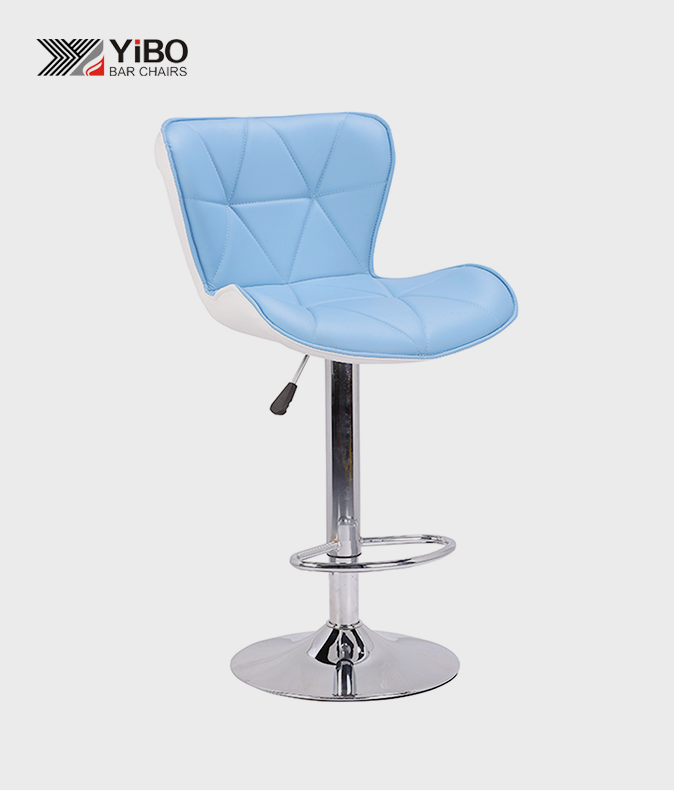
Swivel Function Requirements: In high-frequency commercial environments, such as cocktail bars, bar stools with dual-bearing 360° swivel bases are preferred for greater flexibility. For residential bar areas, fixed-base designs can provide a practical alternative.
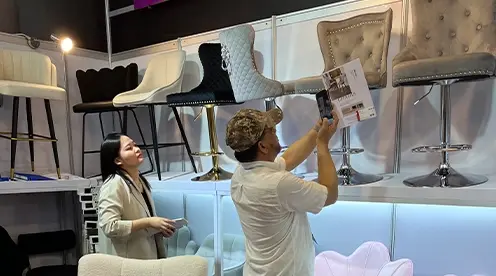
Load-Bearing Requirements: Bar stools designed for commercial use should comply with the ASTM F1858 standard, with a static load-bearing capacity of at least 150 kg. For residential applications, a load capacity of 120 kg may be sufficient.
Durable Material Selection by Usage Scenario
Bar / Nightclub: 304 stainless steel combined with rust-proof treatment is recommended for the frame. Flame-retardant PU leather or scratch-resistant metal mesh can be used for the surface. Deep cleaning should be carried out every quarter.
Café / Light Dining: Electroplated aluminum alloy is suitable for the frame, while waterproof linen fabric paired with quick-dry sponge provides a practical surface solution. Monthly wiping is recommended for routine maintenance.
Home Use: Solid oak wood can be used for the frame, complemented by ultra-fine leather and memory foam for enhanced comfort. Annual maintenance is recommended.
Ergonomic Design Principles
Seat Depth Control: A seat depth of 42–45 cm is considered optimal for reducing thigh compression, with reference to the ISO 9241 standard.
Armrest Configuration: For social-style bars, armrests angled outward at 15° are recommended. In compact spaces, armless bar stool designs can provide better space efficiency.
Lumbar Support: For environments where users remain seated continuously for more than two hours, a curved backrest with a lumbar lordosis of 7–10° is recommended to provide appropriate lumbar support.
Style Premium Strategy
Industrial Style: Exposed metal structures combined with rivet detailing create a distinctive industrial aesthetic and can support a premium margin of 30–50%.
Retro Style: Brass trim paired with leather stitching enhances the vintage character and can increase customer dwell time by 22%, according to the Nielsen 2024 Report.
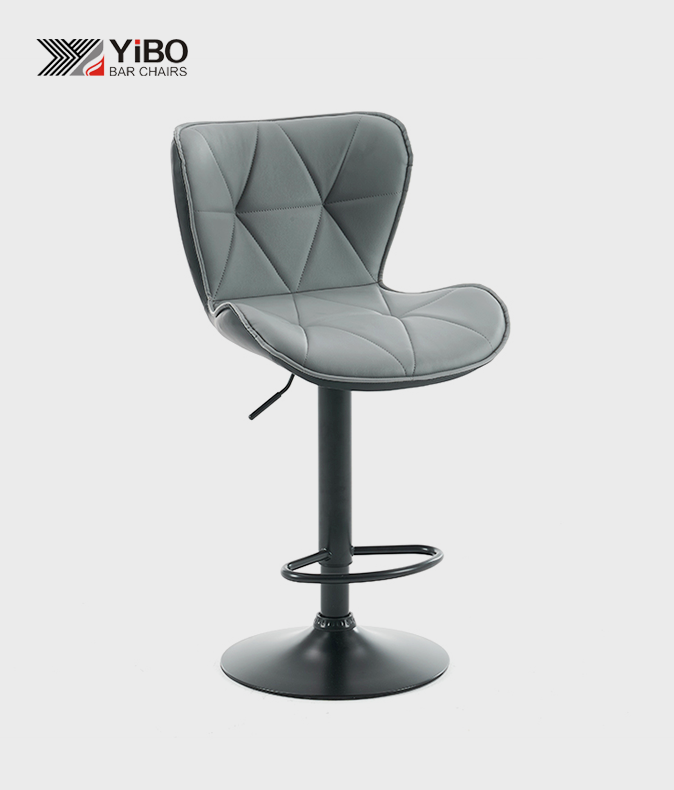
Minimalist Style: A monochrome injection-molded design creates a clean and streamlined appearance, making it particularly suitable for high-turnover environments.