Sep 3, 2026
The Modern Design Revolution of Bar Stools
The development of bar stools has gone far beyond basic seating. Throughout the 20th century, advances in materials, mechanical technology, and industrial design transformed the bar stool from a simple functional product into an important part of social and cultural spaces.
Landmark Designs and Technological Breakthroughs
Barcelona Chair (1929): Featuring an X-shaped stainless steel cantilever frame, the Barcelona Chair represented an important step in transforming bar seating into collectible art. Its cultural significance is reflected in its permanent collection at the Museum of Modern Art (MoMA) in New York.
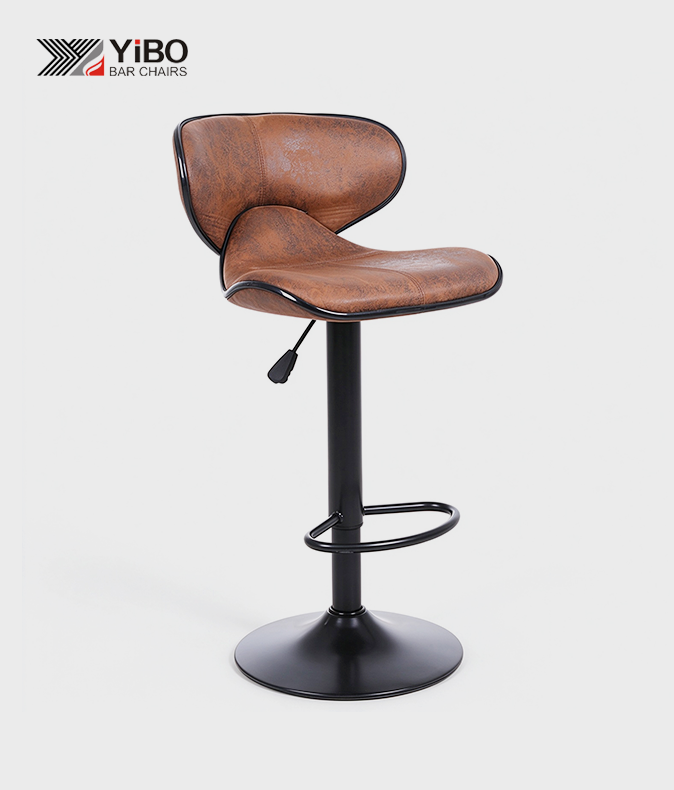
American Bar Stool (1950): The introduction of an injection-molded, one-piece curved seat brought greater consistency and flexibility to bar stool production while reflecting the streamlined design aesthetics associated with automotive culture.
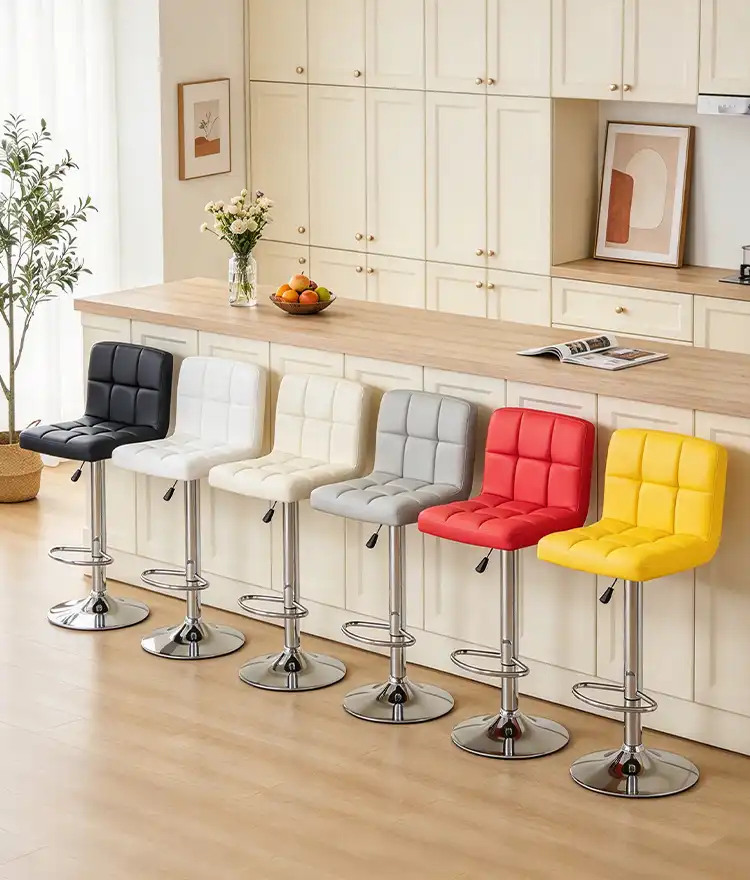
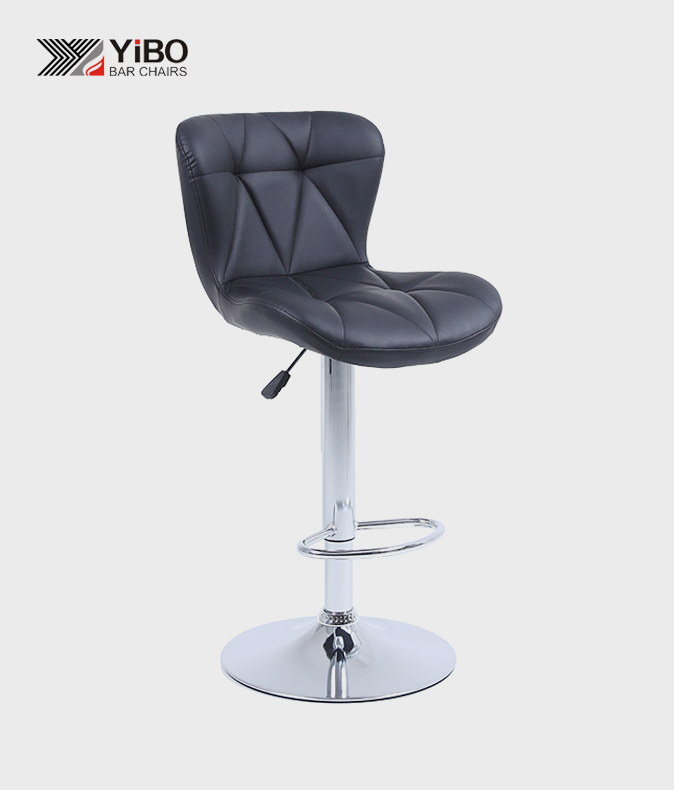
Hydraulic Adjustable-Height Chair (1970): The development of a pneumatic rod system enabled continuous height adjustment, creating a highly adaptable seating solution for users ranging from 150 to 200 cm in height.
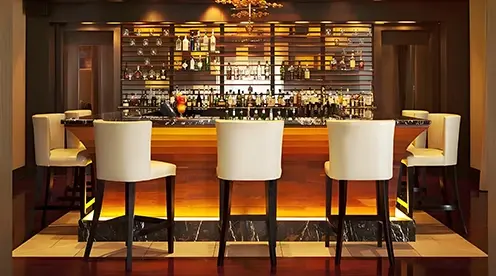
The Evolution of Social Functionality
Bar stool design also evolved in response to the changing social role of bars and other public spaces.
Rotating Base Designs in the 1960s: Swivel mechanisms gave users greater freedom of movement and encouraged interaction between patrons. This design development reflected the idea of “bar connection” associated with London’s RUN ACROS bar culture.
Nested Stacking Structures in the 1980s: Stackable and nested designs addressed the practical challenge of storing seating efficiently, particularly during nighttime peak periods when bars needed to quickly adjust their available space.
Contemporary Trends in the 21st Century
As technology and sustainability become increasingly important, modern bar stools are incorporating new functions and materials.
Smart Interaction Upgrades
Sensor-Based Temperature Control: Heating and ventilation modules can be integrated directly into the seat, providing greater comfort in environments such as Nordic bars during the winter months.
Gravity-Sensing Reminders: Some smart seating concepts use vibration alerts to remind users after more than one hour of continuous sitting, supporting healthier drinking and seating habits.
Sustainable Material Applications
The use of recycled ocean plastic combined with modular construction is creating new possibilities for environmentally responsible bar furniture. Certain designs can achieve up to 95% recyclable components, as demonstrated by initiatives such as the 2024 Amsterdam Bar Eco-Plan.
The Changing Design Philosophy of Bar Stools
The history of Western bar seating reflects a broader shift in both design and social functionality. The evolution can be traced from practical tools such as ancient Roman wine stools, to social furniture represented by British pub chairs, to cultural symbols such as Barcelona chairs, and finally to technology-driven smart seating.
Across these stages, bar stools have continued to serve a purpose beyond simply providing a place to sit. Their design has consistently responded to the changing ways people interact, socialize, and connect within public spaces.